
High-Quality Brass Radiant Floor Heating Manifold from Top Manufacturers
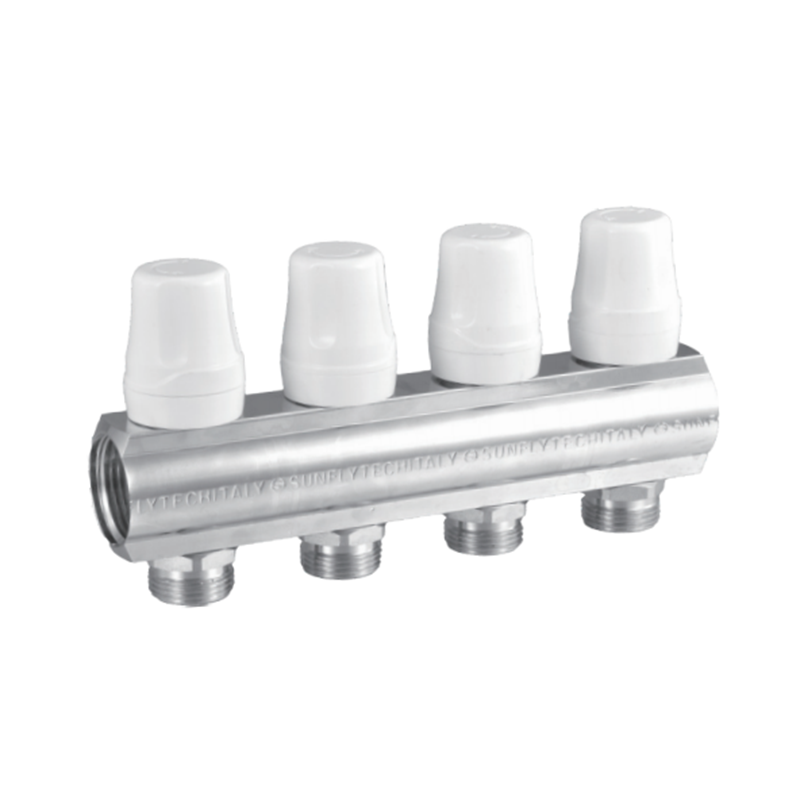
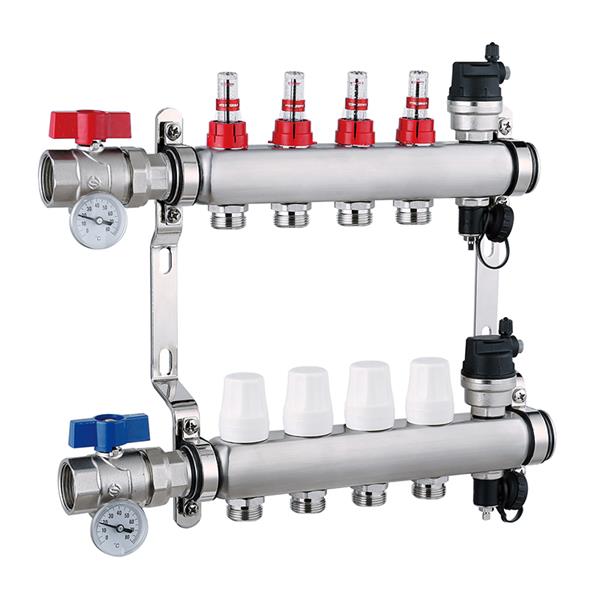
When searching for the ideal solution for your radiant floor heating systems, I always recommend exploring our High-Quality Brass Radiant Floor Heating Manifold. This product stands out in the market, thanks to its durability and premium construction. As a part of my role, I’ve seen how reliability in heating systems is crucial for both comfort and efficiency, and our manifolds deliver on both fronts. Sourced from leading manufacturers, these manifolds ensure optimal water flow and temperature control, making them perfect for residential and commercial installations. The brass construction not only enhances durability but also resists corrosion, ensuring longevity in your heating setup. I take pride in knowing that each unit is rigorously tested to meet industry standards, providing peace of mind for my clients. If you're aiming for an upgrade in your heating projects, these high-quality brass manifolds should not be overlooked.
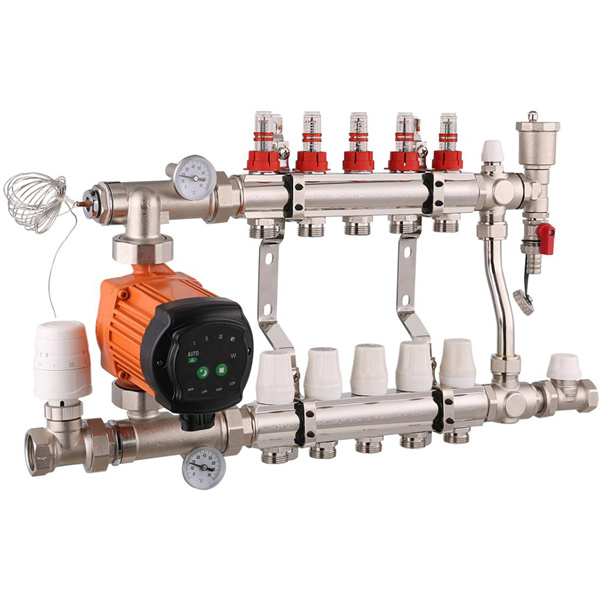
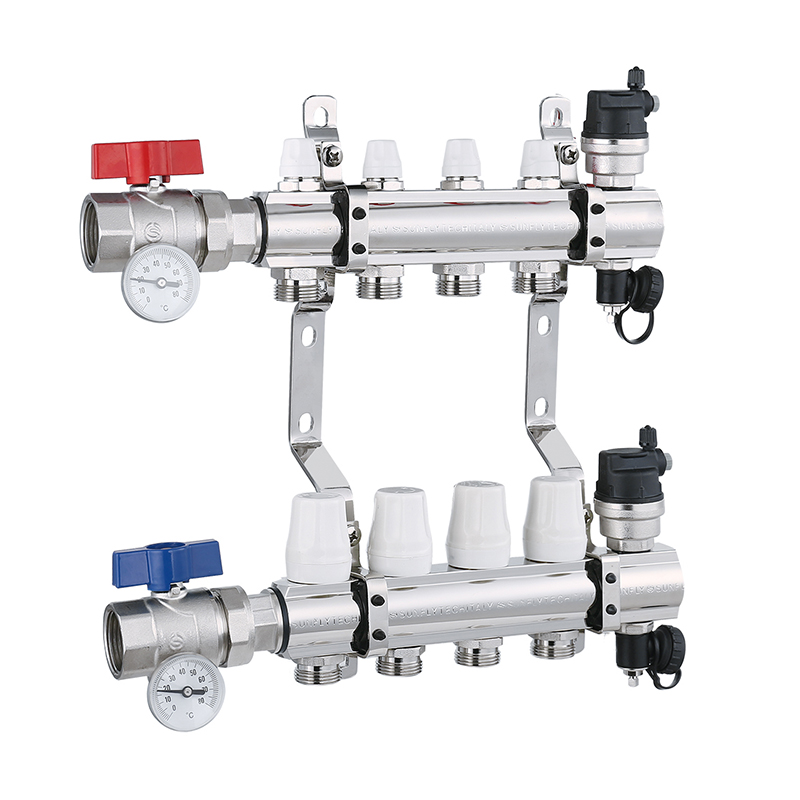
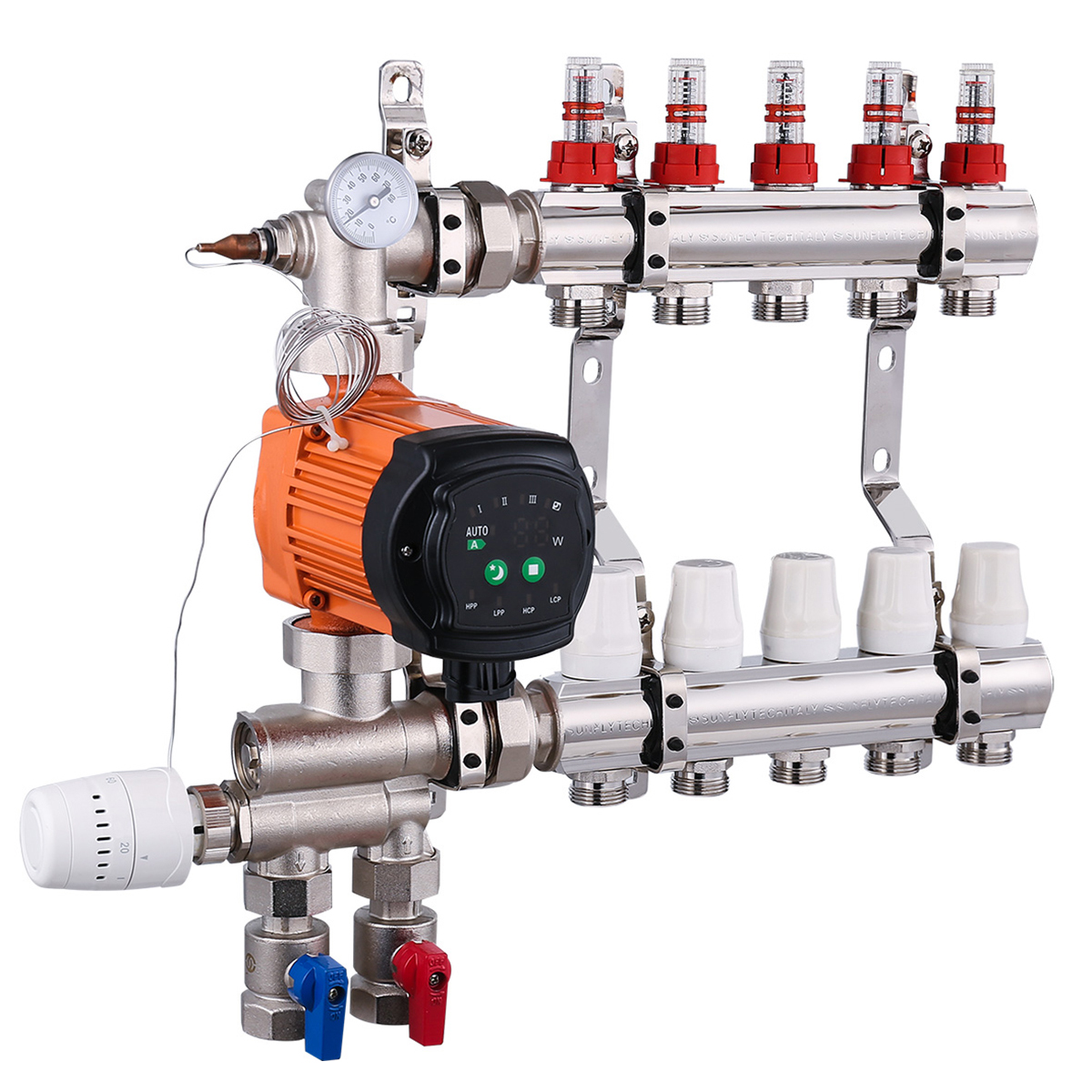
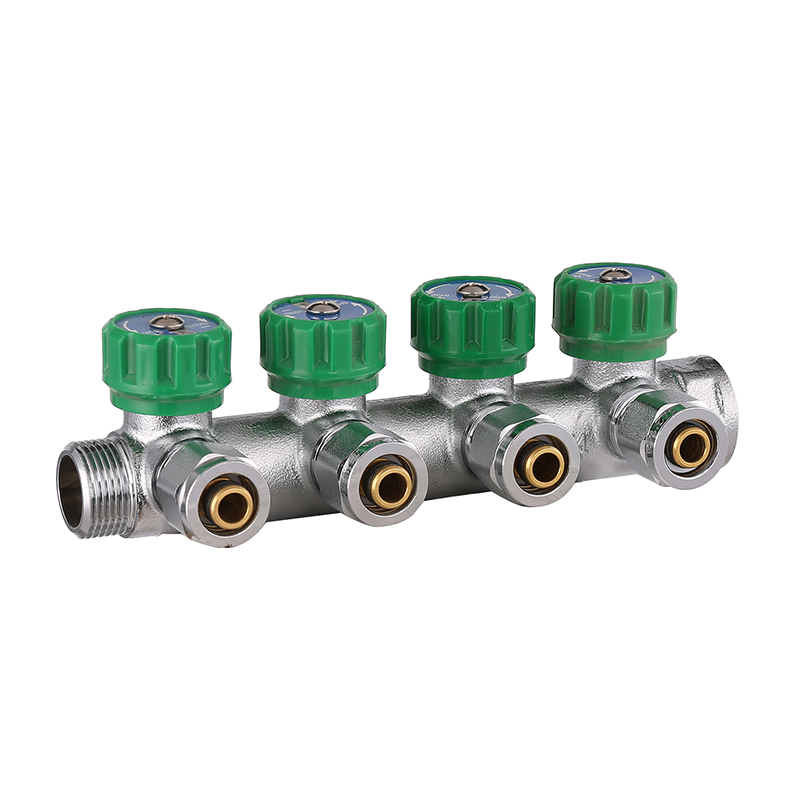
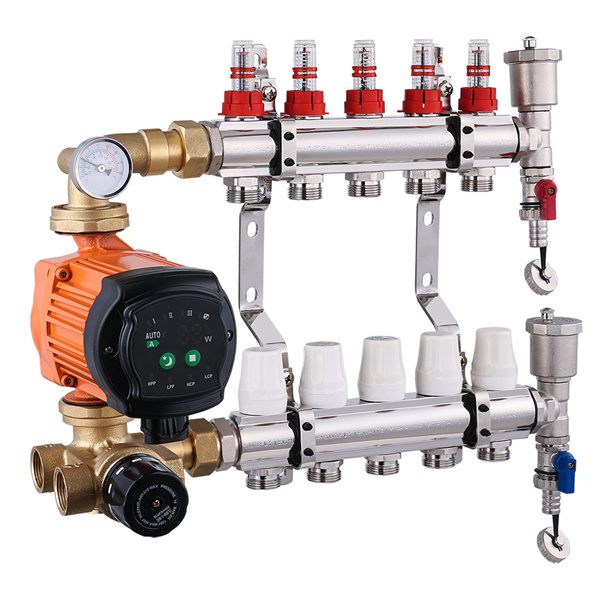
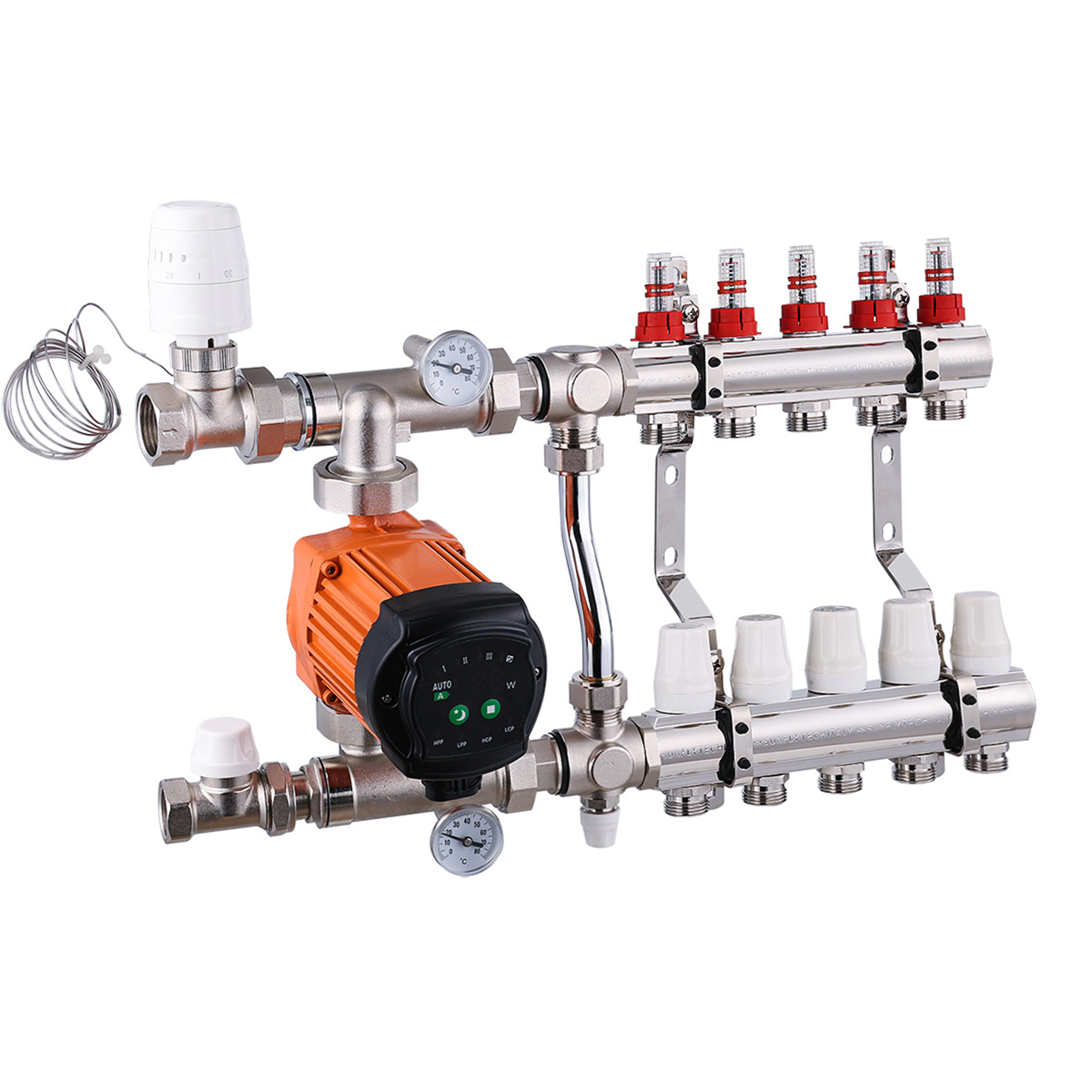
Brass Radiant Floor Heating Manifold in 2025 Trusted by Pros
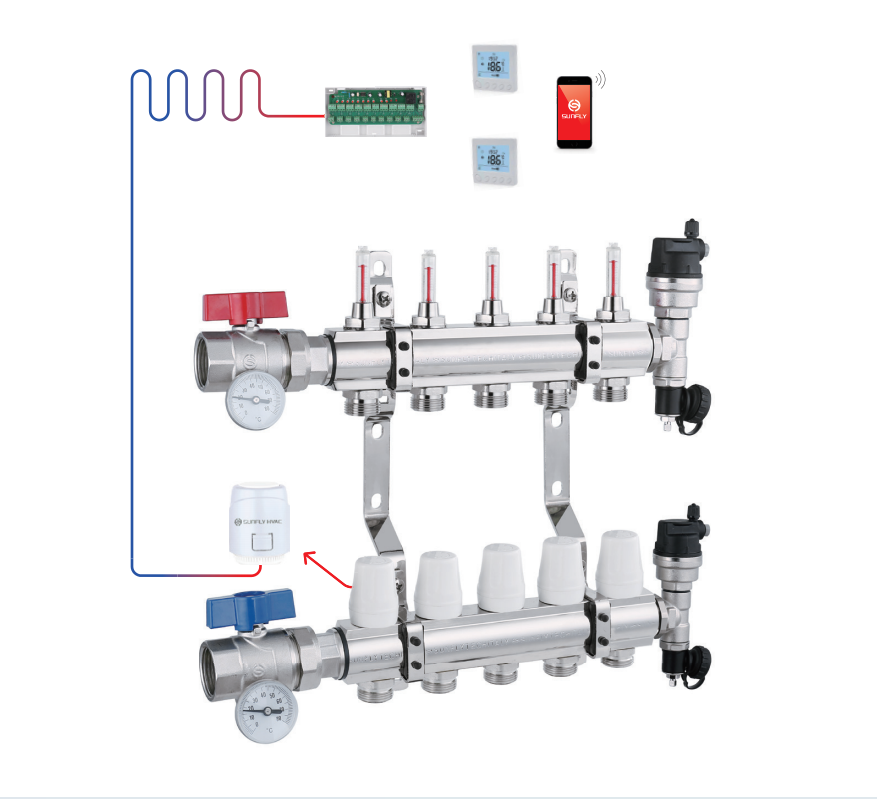
As the demand for energy-efficient and effective heating solutions continues to rise, the focus on radiant floor heating systems has become more prominent. Among the essential components of such systems, brass radiant floor heating manifolds stand out for their durability, efficiency, and reliability. In 2025, professionals in the heating industry trust these manifolds not only for their functionality but also for their ability to enhance overall heating performance in both residential and commercial applications. Brass manifolds are designed to distribute hot water evenly across the floor, ensuring consistent warmth while minimizing energy consumption. Their robust construction resists corrosion and wear, making them an ideal choice for long-term installations. As global procurement trends shift towards sustainable solutions, these manifolds align perfectly with the need for eco-friendly products that do not compromise on quality. With a growing portfolio of satisfied clients and a commitment to advancing HVAC technologies, the future for brass manifolds looks promising. Investing in high-quality brass radiant floor heating manifolds is no longer just an option; it's a strategic choice for procurement managers aiming to deliver cost-effective and high-performance heating solutions. As we progress through 2025, staying ahead of the curve means embracing innovative heating technologies that meet both current demands and future challenges in the HVAC industry.
Brass Radiant Floor Heating Manifold in 2025 Trusted by Pros
| Feature | Description | Advantages | Applications | Material |
|---|---|---|---|---|
| Temperature Control | Accurate temperature settings for optimal comfort. | Energy efficient and cost-effective heating. | Residential and commercial buildings. | Brass |
| Flow Rate Adjustment | Easily adjustable to meet the specific heating needs. | Improved comfort and reduced energy waste. | Underfloor heating systems. | Durable Brass |
| Pressure Relief Valve | Prevents excess pressure in the system. | Enhances system longevity and safety. | Hydronic heating systems. | Corrosion-resistant Brass |
| Compatibility | Works with various heating sources. | Flexible and versatile installation options. | New builds and retrofits. | High-quality Brass |
| Installation Process | Designed for quick and easy installation. | Saves time during installation. | Residential and commercial applications. | Robust Brass |
Related Products

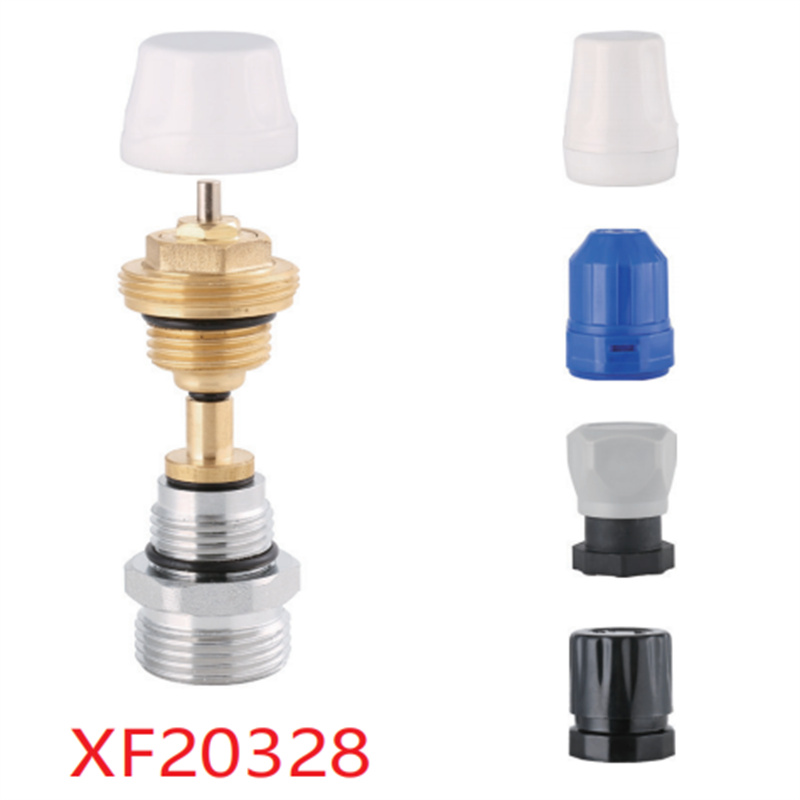
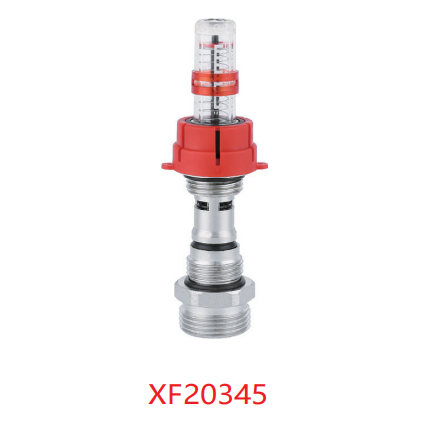
Brass Radiant Floor Heating Manifold Supplier Sets the Industry Standard
Top Selling Products


- Related Blog
- Reviews
